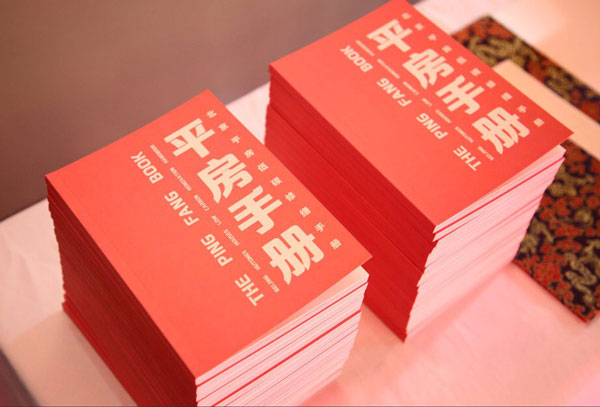
 BaO released a small and completely free manual for low carbon DIY refurbishment of Beijing hutong houses. The objective of the PingFang Book is to put back the question of historic districts preservation and regeneration into the hands of their inhabitants. This small booklet tries to give simple tools and advices on how to maintain or improve their houses while acting in responsible ways towards the exceptionnal part of the city they live in ...
 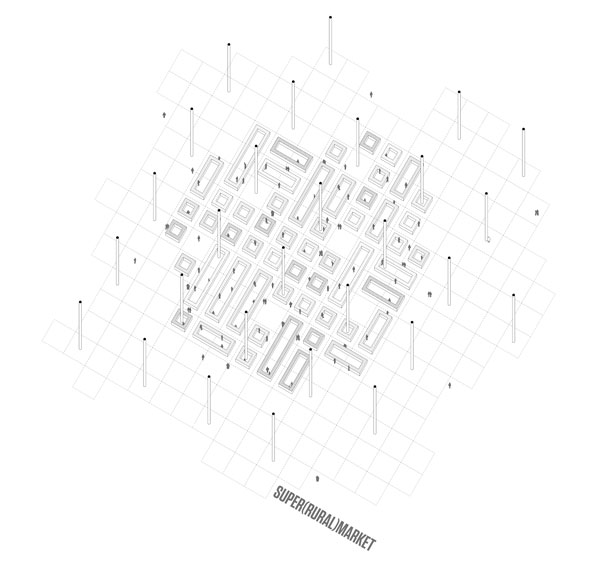 Benjamin Beller and Neill Gaddes from SANS (SZ) ran a 4 days lab together with 15 students during the B/side design festival, organized with Leping foundation and TGS in Beijing (June 2018). Our Lab entitled "Super(Rural)Market" was a call for action in addressing rural exclusion through the development of new hypotheses for Rural Innovation.
 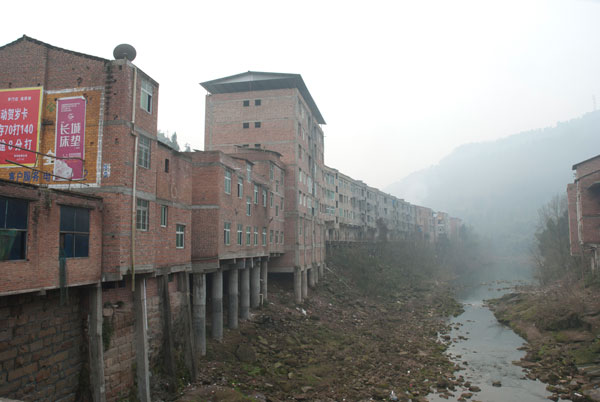 China is changing, China is growing, China is fast. Skyscrapers are built overnight, cities from scratch appear in unknown places, modern Chinese metropolises are becoming primary global economical hubs. The dazzling Chinese growth is not however without consequences. The development paradigm demands sacrifices.
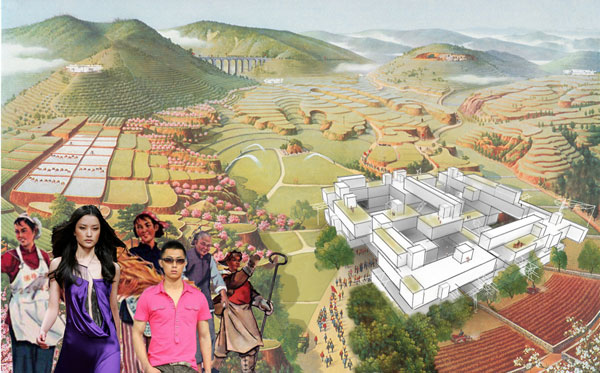 If Megablocks have emerged in China as the ultimate urban development tool, they might as well propose interesting solutions for countryside. Through a careful study of how and why such market-driven monumental projects are increasingly shaping Chinese cityscapes, the MegaCun research proposes to transfer its core concepts to the rural territories. Literally meaning the "Mega village", the MegaCun relates to broader topics of rural exodus and policies of the so-called "new socialist countryside".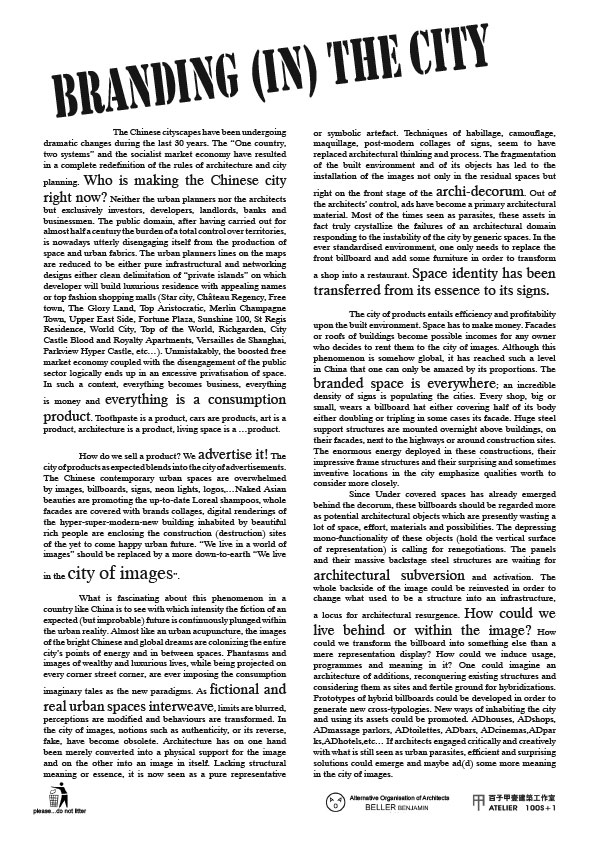
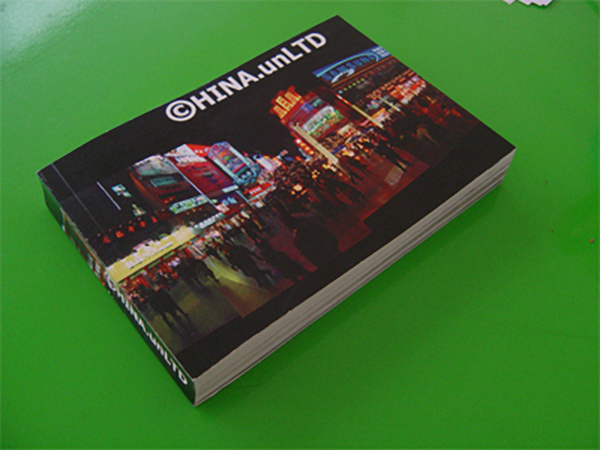 CONTENT ::
VIParadise
: : : :: The many many happy few :: : : :Everyone wants to be a superstar ! Everybody wants to be treated as a Laoban (老板 / boss) who gets the right to drive a tinted-glass black car with a fancy horn and flashlights forcing the other drivers to "make place". Deng Xiaoping's motto "some people will get rich before others" has exacerbated individualist behaviors and widened the classes gap. Individualism is now reaching a completely new level of exclusivity : VIPism is on the rise.
In China, spaces are being chopped between the happy few and the very many others. Night clubs are 1/5th dance floor and 4/5th VIP spaces ; in residential compounds, a guard is posted at every possible door to ensure the sorting of the wanted and unwanted ; even post-offices have a special cubicle for VIP clients. The "building of a harmonious society", relentlessly advertised and yet never seen, is punctured by VIP hotlines, VIP cards, VIP services, VIP apartments, VIP luxury houses, etc… Any attempt to talk about public space or public services is seen as a defiance to the newly established order of exclusivity...
: : more soon : :
面子Mianzi
: : : :: More is just MORE :: : : :To gain or loose face is a matter of life and death, you don't mess around with Mianzi in China! The overwhelming importance of architectural outlook has propounded representation and insignia as the sole criteria of the built environment.
Architecture is summoned to take cover, and proudly wear rejuvenating masks, makeup, mascaras, jewelry and other accessories, that we once thought were gone forever. The lack or the inability of thinking about usages, programs, contents, has instigated a regime of superficialism where signs, ornaments, design slickness and heroic blobness have been elected as the sole measure of architectural quality. In the contemporary state of constant change, the supersized "decorated shed" seems to have become the most rapid and flexible achitectural approach. The envelop has become the ultimate ambition of a building.
The trend is not exclusively Chinese, nor is it new, but it presupposes that Chinese architects are relentlessly compelled to concentrate on the showing (off), on creating objects of desire, without any possibility of focusing on content, usages, people, ...
: : more soon : :